On this page
White pepper is the quiet achiever of the spice world. It comes from the exact same vine as black pepper — Piper nigrum — but patient water-curing transforms it into a smooth, ivory-colored berry with a sharp, earthy heat that chefs have treasured for centuries. This guide walks through everything a buyer or home cook should know about organic white pepper.
What Is White Pepper?
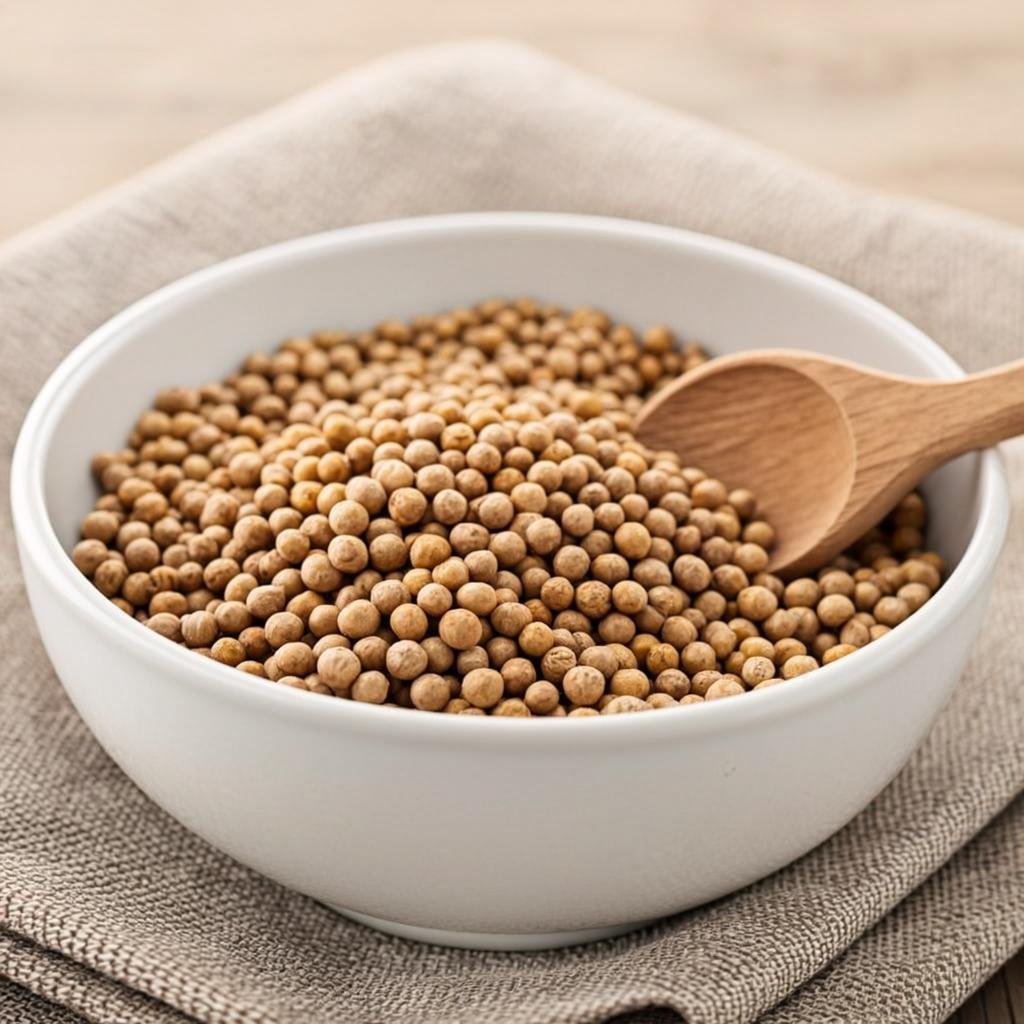
White pepper is produced from fully ripened berries of the Piper nigrum vine. The crucial difference from black pepper is that the dark outer skin (the pericarp) is removed after harvest, leaving only the smooth, pale seed core. The result is a berry that looks, smells, and tastes noticeably different from its black sibling.
- Appearance: a uniform ivory to light-gray, smooth, round berry — bold grades run 4 mm and larger.
- Flavor: sharp, earthy heat with a mellow, fermented-floral aroma. It bites faster than black pepper but carries less of the piney top notes.
- Why chefs love it: it delivers clean pepper heat to light-colored dishes — cream sauces, soups, mashed potatoes — without leaving dark specks.
- Main origins: India (Kerala Malabar), Indonesia (Muntok), Vietnam, and Sri Lanka. Indian Malabar white pepper is traditionally hand-picked for extra-bold size.
How Organic White Pepper Is Made
Making white pepper is slower and more labor-intensive than making black pepper, which is exactly why good white pepper commands a premium. The traditional organic process has five stages:
- 1. Late harvesting. Berries are left on the vine until fully ripe, when they turn yellow-orange and the sugar and piperine levels peak.
- 2. Water retting. The harvested spikes soak in clean, flowing water for 7–10 days. Water gently loosens the outer skin without any chemicals.
- 3. De-husking. The softened pericarp is rubbed off by hand — or with gentle mechanical agitation — leaving the pale core intact.
- 4. Washing. The de-husked berries are washed repeatedly in clean water until they run bright and odor-free.
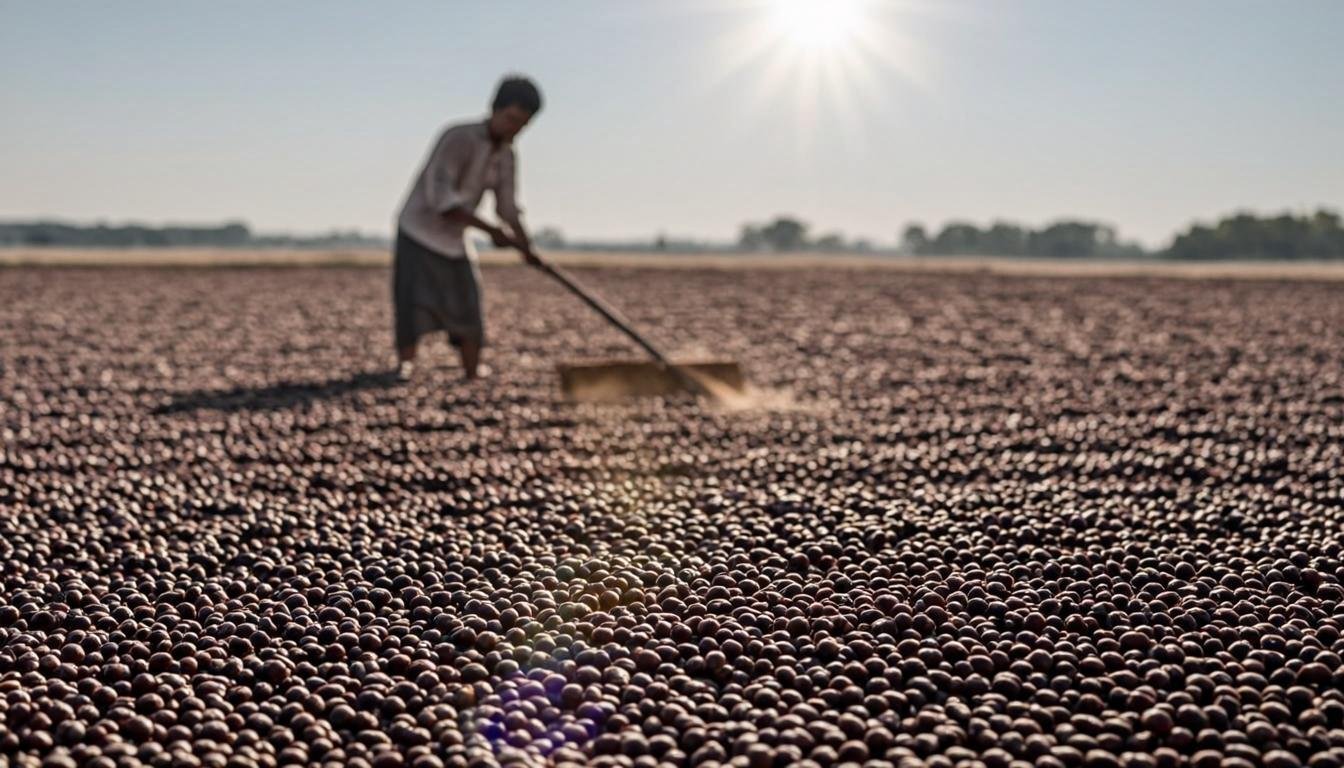
- 5. Sun-drying. Finally the berries dry in the sun on hygienic yards down to 12% moisture or lower, then they are graded by size and density.
White vs. Black Pepper
Same vine, two completely different spices. The processing method drives every difference in appearance, aroma, and best use:
| Attribute | Black Pepper | White Pepper |
|---|---|---|
| Berry at harvest | Picked unripe and green | Picked fully ripe, yellow-orange |
| Processing | Whole berry sun-dried with skin on | Water-retted, skin removed, dried |
| Appearance | Dark, wrinkled, black-brown | Smooth, ivory to light gray |
| Flavor | Bold, pungent, floral-pine aroma | Sharp, earthy, mellow fermented aroma |
| Heat | Builds and lingers | Lands faster and hotter up front |
| Best in | Crusted meats, rubs, pepper mills, finishing | Cream sauces, soups, light-colored dishes |
| Relative price | Lower | Higher — extra retting and handwork |
A well-stocked kitchen — and every seasoning house — keeps both. The two are not interchangeable in classic recipes, because the aroma difference is immediately recognizable once the pepper hits heat.
Culinary Uses
White pepper is the hidden backbone of many of the world's great light-colored dishes. Classic applications include:
- French cuisine: béchamel and cream sauces, velouté, mashed potatoes, and blanched vegetables where dark flecks would spoil the look.
- Cantonese cooking: hot and sour soup, congee, and stir-fry marinades.
- Southeast Asian broths: clear soups, stocks, and noodle bowls where a clean, sharp heat is wanted without color.
- Charcuterie and seasoning blends: sausages, rubs, and spice mixes that need speck-free pepper notes.
Cook's tip: add white pepper toward the end of cooking. Prolonged boiling mutes its delicate aroma, and it turns bitter if scorched.
Health Benefits
Like black pepper, white pepper gets its pungency from piperine, a natural alkaloid studied for several properties. White pepper is a traditional digestive in Ayurveda and Chinese medicine, and modern research has looked at piperine for the following:
- Bioavailability booster: piperine dramatically improves the absorption of certain nutrients and compounds — most famously curcumin from turmeric, which is why the two spices are paired so often.
- Digestive support: piperine stimulates digestive enzymes and has been used traditionally to support comfortable digestion.
- Antioxidant activity: pepper berries contain antioxidant polyphenols that help protect the spice's own oils — and you — from oxidation.
These benefits are a pleasant bonus, not medical advice. What matters to a buyer is freshness: piperine and volatile oils fade over time, so freshly harvested, properly stored pepper delivers measurably more of them.
How to Choose Premium White Pepper
Whether you are buying a 100 g jar or a full container, the same quality checkpoints apply. Use this checklist before you commit:
- Color: creamy ivory, uniform across the lot. Dull gray, dark patches, or black specks signal poor retting or old stock.
- Size: bold, even berries — 4 mm and up for extra-bold grades. Mixed sizes suggest careless grading.
- Moisture: 12% or lower. Higher moisture means shorter shelf life and mold risk.
- Aroma: fresh, sharp, and pleasantly earthy. A musty or barnyard note means the pepper was retted in stagnant water — walk away.
- Lab report: a certificate of analysis covering piperine, volatile oil, moisture, and microbiology for the exact lot you are buying.
- Organic certificate: a valid organic transaction certificate for the shipment, not just a general company certificate.
- Traceability: a supplier who can tell you which farms and which harvest week your pepper came from.

Our Export Specifications
Our organic white pepper is hand-picked, water-retted, and exported from Kochi, India with a complete documentation package. Standard specifications for commercial lots:
| Parameter | Specification |
|---|---|
| Product | Whole organic white pepper, hand-picked extra bold |
| Moisture | 12% maximum |
| Volatile oil | 1.8% minimum (v/w) |
| Piperine | 3.5% minimum |
| Bulk density | 600 g/L minimum |
| Extraneous matter | 0.5% maximum |
| Packing | 25 / 50 kg PP-lined bags, or custom retail packs |
| HS code | 0904.12 |
Each consignment ships with a certificate of analysis, phytosanitary certificate, certificate of origin, and organic transaction certificate. You can review the full document list in our Export Documents for India section.
Frequently Asked Questions
Is white pepper hotter than black pepper?
Why does some white pepper smell musty?
Should I buy whole or ground white pepper?
Can I substitute white pepper for black pepper?
How should I store white pepper?
Source Premium Organic White Pepper
Hand-picked extra bold berries, lab-tested lots, and complete export documentation — shipped from Kochi to any port in the world.